

Municipal boat launches provide important access to local waterways and support recreation, tourism, and community use. At the same time, these sites present unique risks due to high traffic, changing environmental conditions, and a wide range of users, from experienced operators to first‑time visitors.
This bulletin from the risk team at Canoe Insurance outlines the most common risks associated with municipal boat launches and practical steps municipalities can take to reduce exposure, improve safety, and protect public assets.
What are the top 5 key risks with boat launches?
Municipal boat launches are exposed to several recurring risk areas. Municipalities often face claims when they fail to exercise reasonable care in maintenance, warnings, or design.
1. Slips, Trips, and Falls
(Including vehicle and trailer incidents.)
Boat launch surfaces are often wet, uneven, eroded or algae-covered, increasing the likelihood of slips and falls. Steep slopes, damaged concrete, and poor transitions between ramp, dock, and water can create additional hazards.
Vehicle and trailer incidents are also a concern. Poor traction, short ramp lengths, or misalignment with water conditions can result in vehicles entering the water, leading to significant property damage and injury risk.
2. Drownings and Water-Related Injuries
Uncontrolled access to water introduces serious safety risks. These include:
- Lack of separation between launch and swimming areas
- Limited or inaccessible rescue equipment
- Unmarked water depths or strong currents
- Low visibility conditions
Power loading (using boat motors on ramps) can further increase risk, particularly for inexperienced users or children.
3. Structural Failure and Inadequate Maintenance
Deteriorating infrastructure, including ramps, docks, and parking areas, can lead to collapses, sudden hazards, or require the need for restricted access. These conditions are often accelerated by fluctuating water levels, storms, erosion, and deferred maintenance.
Poor design and design limitations, such as ramps that do not extend far enough into the water, can create ongoing operational risks.
4. User Conflicts, Congestion, and Unsafe Behaviours
High traffic volumes can lead to congestion, improper parking, and unsafe or hurried behaviours. Conflicts between users during these high traffic times, particularly when different activities are mixed (motorized boats, paddlers, swimmers), increase the likelihood of injury and property damage.
After-hours use of boat launches and/or lack of enforcement of existing rules and safety requirements can further elevate these risks.
5. Environmental and Regulatory Compliance Risks
Boat launches can contribute to environmental impacts such as stormwater runoff carrying pollutants or the spread of invasive species.
Failure to manage these risks can result in regulatory penalties, cleanup requirements, or third-party liability claims. Climate-related factors, including extreme weather and fluctuating water levels, can increase long-term exposure.
How can you mitigate risks at your municipal boat launch?
Effective mitigation combines proactive design, rigorous documentation, user education, and insurance. Focus on demonstrating “reasonable care” to strengthen defenses against claims.
Below are further tips and considerations:
1. Design and Infrastructure
Proper design and construction reduce many common risks before they emerge.
- Maintain ramp slopes below 15% where possible, with adequate length and alignment for water conditions.
- Use non-slip surface materials suitable for wet environments.
- Install floating boarding docks or platforms to support safe loading and unloading.
- Separate launch areas from swimming zones using physical barriers or buoy lines.
- Incorporate stormwater management features such as permeable surfaces or vegetation to reduce runoff.
- Use durable materials in construction that are resistant to water, erosion, and algae.
2. Signage, Rules, and User Awareness
Clear communication helps manage expectations and reduce unsafe behaviour. Consider local ordinances or recreational use statutes that limit liability when warnings are provided.
- Install visible, weather-resistant signage with clear icons and language (such as “use at your own risk” and “slippery surfaces”).
- Include warnings for slippery surfaces, depth changes, and restricted activities (such as “no diving or power loading”, where applicable).
- Post emergency contact information and site rules.
3. Maintenance and Inspection
Routine inspection and maintenance are critical to preventing incidents and demonstrating due diligence. Consistent documentation of inspections and repairs can support liability defense in the event of a claim.
- Conduct regular inspections, including daily or weekly visual checks and post-storm assessments.
- Maintain dated inspection logs supported by photos where possible.
- Address and repair erosion, damaged surfaces, and structural concerns promptly.
- Clean ramps regularly to reduce algae and surface hazards.
- Monitor infrastructure for wear and seasonal impacts, including changing water levels.
4. Operations and User Management
Strong operational practices help reduce congestion and unsafe behaviour.
- Train staff on hazard identification, emergency response, and incident reporting.
- Manage traffic flow and parking to reduce congestion.
- Enforce hours of operation, including physical barriers where appropriate.
- Promote safe use and etiquette, such as preparing boats away from launch areas and limiting ramp use to one vessel at a time.
- Track incidents and near-misses to support ongoing improvements.
How can you keep marinas with fuel service stations operating safely?
Some municipal marinas have a fueling station as a value-added service to attract boaters. Fuel handling at marinas requires strict safety and environmental protocols to prevent fires, explosions, and water contamination. To ensure fuel handling safety, consider the following best practices:
1. Infrastructure:
- Ensure that the fuel pump station meets provincial and federal regulatory requirements and is regularly inspected and certified for operation by the appropriate bodies.
- Fuel nozzles must be grounded to prevent static and fitted with absorbent pads to catch spills.
- Ensure adequate fire suppression equipment is within reach to promptly handle any fuel ignition.
2. Fuel Pump Operators:
- While some marinas provide “self-serve” pumps, it is recommended that only trained fuel handlers should operate the fuel pumps.
- These fuel handlers should be trained and aware of proper fuel handling and emergency response procedures.
3. Pre-Fueling:
- The watercraft’s operator must secure the vessel to the docking area to ensure it is kept stable and in place during fueling.
- All engines and electronics should be turned off.
- No smoking is permitted on the watercraft during fueling, or near the fueling area at any time. (Consider that wind could potentially blow embers from smoking products directly into the fueling area.)
- It is highly recommended that all passengers disembark before fueling and that all open hatches are closed to prevent fumes from accumulating inside.
4. Dispensing and Spill Prevention:
- Be sure to pump only when there are no large waves or wakes approaching the watercraft.
- Many marinas have buoys or signage indicating “No Wake Zone” near their fueling areas.
- If possible, place an oil-only pad or fuel “bib” around the boat’s deck fill plate before inserting the nozzle.
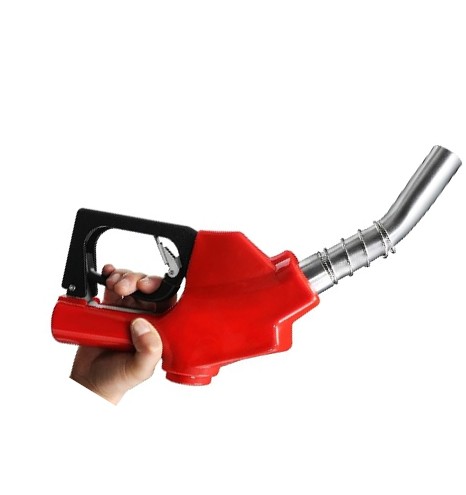
● Prior to inserting the fuel nozzle into the watercraft’s fuel opening, position the fuel nozzle pointing upwards. This will prevent any excess fuel in the line from dripping into the water. Once inserted, the nozzle can be turned to its normal position.
- Pump the fuel at a lower flow rate initially to allow trapped air to escape. Listen for a distinct bubbling noise, which indicates the fuel is backing up and about to trigger the auto-shut-off mechanism.
- Also listen closely to the tank’s vent and use your hand to feel for air escaping. When the airflow sharply increases, the tank is almost full, so stop filling immediately.
- After fueling and before removing the nozzle from the watercraft’s fueling port, turn the nozzle once again to point upwards to prevent any excess fuel from dripping into the water.
- Clean any stray surface drops immediately with an absorbent pad or rag.
5. Risk Management Preparation:
- There should be a risk management plan to handle spills and leaks, especially if near a source of drinking water. Being well equipped and having the ability to respond quickly to prevent or mitigate spills or leaks is crucial.
- Marina staff should be well-versed in this risk management plan. Consider running a simulation exercise at the beginning and mid-way through the boating season.
By applying these practices, municipalities can minimize risks, enhance user experiences, and protect public assets. Consult legal counsel or risk management specialists for site-specific advice.
For more information please contact: risk@canoeinsurance.ca