

Winter conditions across Canadian municipalities can create significant structural and safety hazards for public buildings. Two of the most common and preventable risks are excessive snow loading and ice damming. Proactive monitoring and maintenance are essential to protecting municipal assets, maintaining public safety, and reducing emergency repair costs.
1. Snow Loading: Why It Matters
Heavy snow accumulation can place extreme stress on roofs—especially flat or low‑slope designs common in municipal infrastructure such as arenas, fire halls, recreation centres, and public works shops.
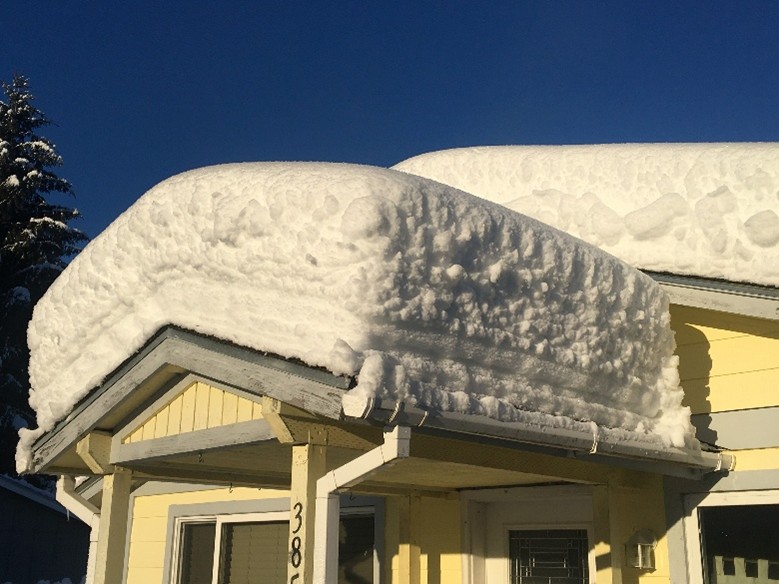
Potential Impacts
- Structural Damage: Roof deflection, truss damage, wall bowing, or full/partial roof collapse.
- Service Disruption: Facility closures or evacuation of critical buildings.
- Financial Loss: Emergency repairs, structural reinforcement, service downtime, and potential insurance claims.
- Life Safety Risks: Snow‑related collapses pose severe hazards to both building occupants and maintenance personnel.
Contributing Factors
- Successive heavy snowfall events.
- Freeze–thaw cycles increasing snow density.
- Drifting caused by wind, parapets, or rooftop units.
- Inadequate or outdated structural load capacity.
- Unaddressed snow accumulation over multiple seasons.
2. Ice Damming: Understanding the Risk
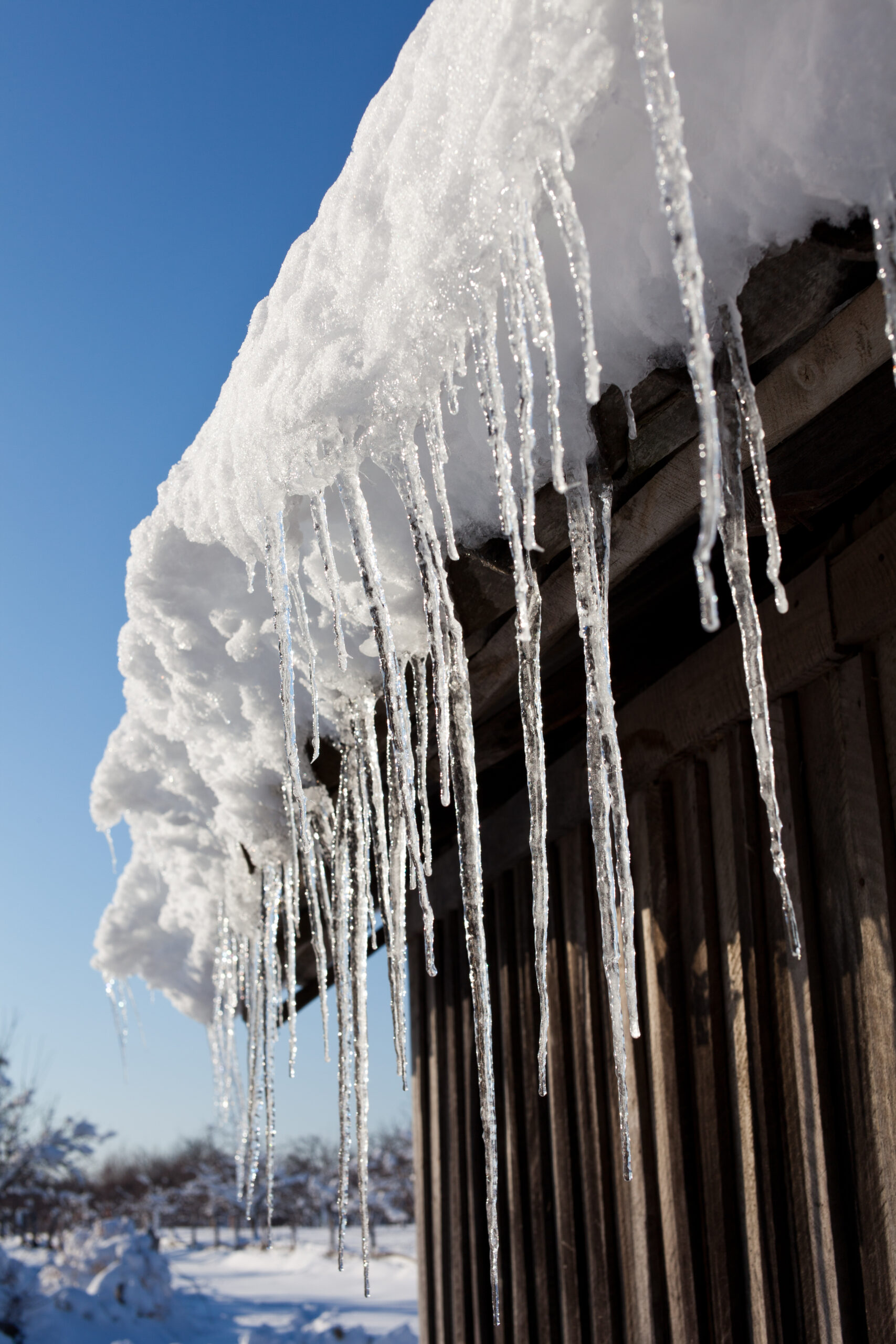
Ice dams occur when heat escaping from the building melts roof snow, causing water to refreeze at the eaves. This traps meltwater behind a ridge of ice.
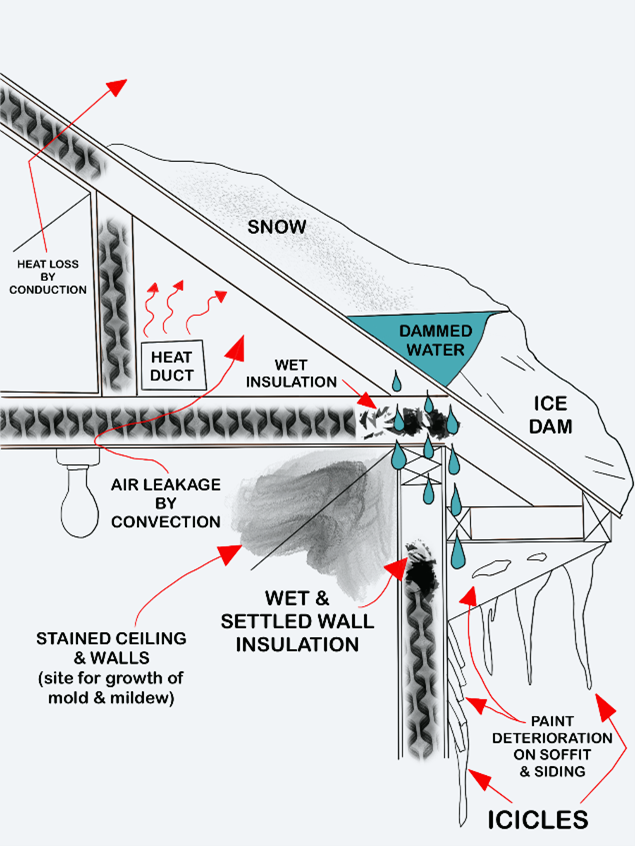
| Potential Impacts | Common Causes |
| • Water infiltration: Damage to walls, insulation, ceilings, electrical systems, and interior finishes. • Mold and air quality issues. • Slip hazards: Arising from falling icicles or refreezing meltwater on walkways • Premature roof membrane failure | •Insufficient attic insulation or air sealing. •Poor roof ventilation. •Warm rooftop mechanical systems. •Solar melt on south‑facing surfaces. |
3. Recommended Municipal Practices
A. Routine Monitoring
- Conduct scheduled roof inspections after major snowfall or wind events.
- Track snow accumulation using depth measurements or snow load estimation charts.
- Look for signs of overload: roof sagging, ceiling cracking, door misalignment, or unusual noises.
B. Safe Snow Removal
- Use trained personnel or qualified contractors.
- Avoid aggressive scraping that may damage membranes.
- Remove snow evenly to prevent unbalanced loading.
- Follow all fall‑protection and rooftop access policies.
C. Ice Dam Prevention & Management
- Keep roof drains and gutters clear.
- Address heat loss around mechanical rooms, attics, and roof penetrations.
- Temporary: steam removal of ice dams when water backup is occurring.
- Long term: improve insulation, air sealing, and ventilation during capital upgrades.
D. Documentation
- Maintain logs of inspections, snow depth readings, maintenance actions, and contractor reports.
- Document hazards and corrective actions for risk management and insurance purposes.
4. Planning & Long-Term Asset Management
- Include roof conditions, snow load capacity, and insulation/ventilation performance in facility condition assessments.
- Budget for future roof replacements, insulation upgrades, and structural improvements.
- Develop a winter maintenance plan outlining responsibilities, thresholds for action, and emergency protocols.
5. Key Takeaways
- Snow loading and ice damming are predictable and preventable risks.
- Proactive monitoring helps avoid costly damage, service disruptions, and safety incidents.
- Municipalities should integrate snow load management into their winter maintenance programs and facility asset management plans.
Effective management of snow loading and ice damming is essential to protecting the public, reducing avoidable maintenance costs, and to safeguard municipal property.
If you have any questions, please reach out to Jonathan Stone at jonathan@canoeinsurance.ca or visit: canoeinsurance.ca